Next Enrolment| October 2026 - October 2027
❋
Right to Rest
Programme
Welcome
Programme Overview
Right to Rest – is a mind–body wellness programme designed to support individuals, teams, and communities in building resilience, restoring balance, and improving overall wellbeing.
At the heart of the programme is the understanding that rest is not a weakness, but a vital component of resilience, performance, and long-term health. The programme combines modern psychological understanding with body-based practices to support nervous system regulation, stress recovery, and sustainable wellbeing.
Right to Rest offers structured, accessible tools that help participants reconnect with themselves, restore energy, and build capacity to meet the demands of work and life.
❋ Programme StructureRight to Rest is delivered in a variety of formats to meet the needs of organisations, teams, and communities these include in person Wellness days, Retreats, online learning and resources.
❋ Collaborative EnergyConnection is a core part of the process. You’ll learn just as much from the group as from the content itself.
❋ Expert FacilitationLed by an experienced Psychologist and Trauma informed Body and Breath practitioner. Each space is held with wisdom, and experience that encourage curiosity and connection.
❋ A Supportive SpaceOur events prioritise comfort, safety, and respect—so you can show up as you are and fully engage in the process.
What the Programme Offers
Right to Rest can be delivered in a variety of formats to meet the needs of organisations, teams, and communities. Key elements include:-
Online Wellness Workshops
Practical, shorter sessions delivered online through Zoom introducing key mind–body concepts and tools. These sessions combine learning with guided practices to support stress regulation, focus, and recovery.
Wellness Days
Held throughout the year, these in person spaces provide a deeper introduction to mind–body wellbeing. Each session includes explorations in to Social Psychology, understanding the threat system, compassion based approaches as well as introductions in to breathwork, meditation and nervous system regulation techniques that participants can integrate into daily life.
Retreats
Multi-day overnight immersive experiences designed to allow deeper rest, reflection, and reconnection. Retreats support communication, resilience, recovery, and relational wellbeing.
Online Learning & Resources
Flexible digital modules and guided practices that allow participants to continue learning and practicing at their own pace.
Meet your Facilitators
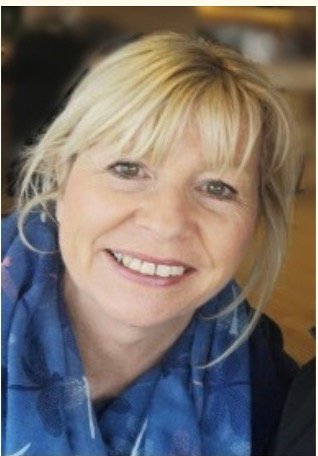
Theresa Mitchell
BACP Senior Accredited Counsellor | Trauma Therapist | Clinical Supervisor | Trainer & Coach
Theresa Mitchell is a BACP Senior Accredited Counsellor, trauma therapist, and clinical supervisor with over a decade of experience in mental health. Her work spans the NHS, MIND, private practice, and more than eleven years leading the Hidden Wounds Service at Help for Heroes, supporting individuals and families experiencing complex trauma and emotional distress.
Her therapeutic approach is grounded in compassion-focused therapy and informed by neuroscience and mind–body integration. Theresa has a particular interest in breathwork as a tool for emotional regulation and recovery, supporting individuals and teams to build resilience, reduce shame, and strengthen wellbeing.
Alongside her clinical work, Theresa is an experienced trainer and facilitator, working with professionals, teams, and organisations to deepen understanding and strengthen compassionate practice.
Training & Qualifications
BACP – British Association for Counselling and Psychotherapy (Senior Accredited)
BABCP – British Association for Behavioural and Cognitive Psychotherapies
BPS – British Psychological Society
ILM Level 3 Coaching & Leadership
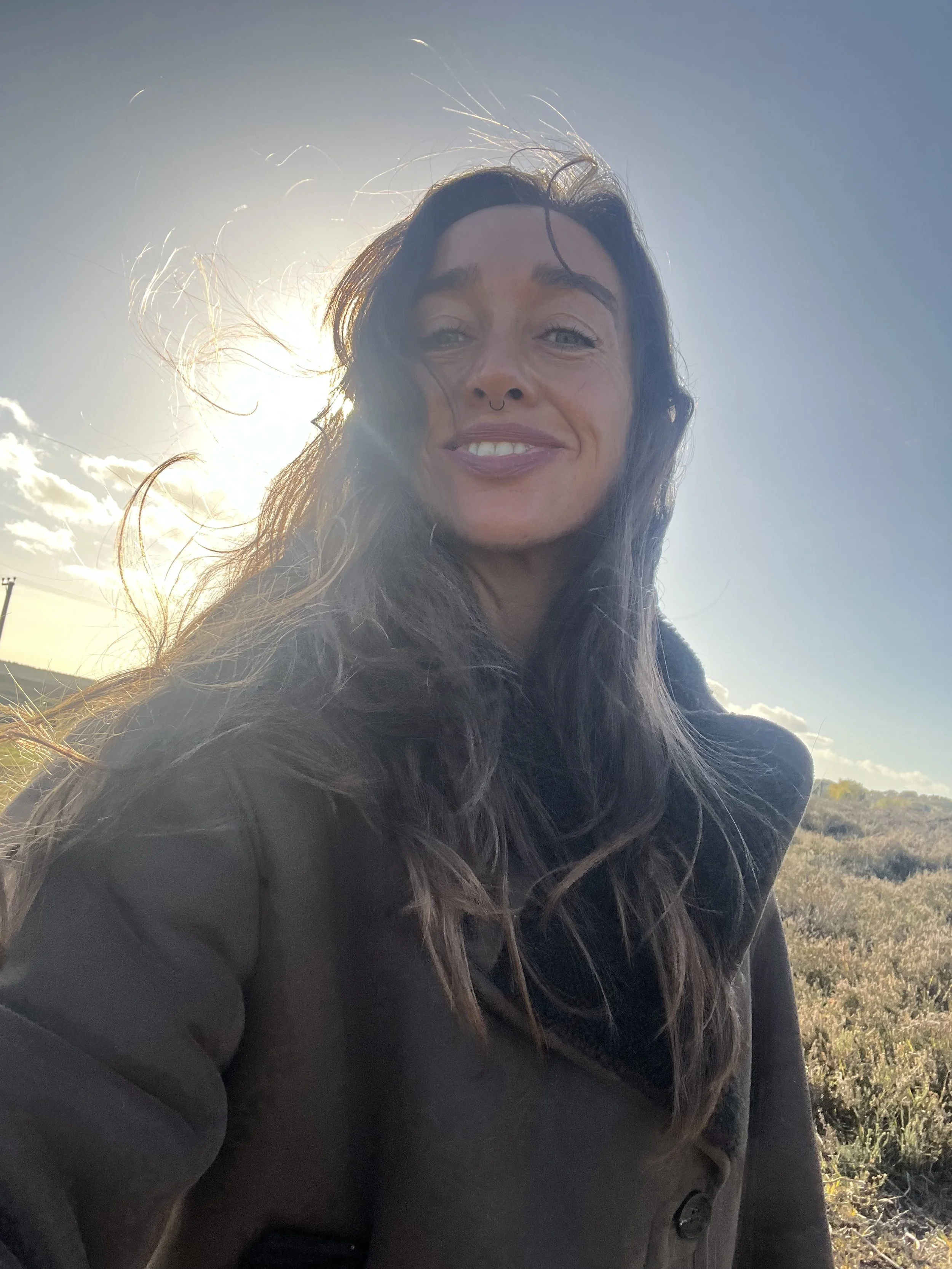
Lauren O’Sullivan
Trauma-Informed Yoga & Pranayama Practitioner | Programme Manager | Artist
Lauren O’Sullivan is a trauma-informed wellness coach with over 13 years of experience in breathwork, yoga, and body-based recovery practices, supported by more than 20 years of personal practice. Her work focuses on the connection between mind, body, and breath to support recovery, resilience, and long-term wellbeing.
Trained in Polyvagal Theory and compassionate methodologies, Lauren creates safe, supportive environments where individuals and groups can develop practical tools for stress regulation, healing, and growth. She has extensive experience working with individuals recovering from trauma, managing long-term health conditions, and navigating high-pressure environments.
Lauren’s approach emphasises embodiment—helping people reconnect with their bodies, integrate lived experience, and build sustainable resilience.
Training & Qualifications
IYN – Independent Yoga Network (Foundation & Advanced Teacher Training)
Compassionate Resilience Training – Dr Deborah Lee
Yoga-Based Exercise Prescription for Rehabilitation
Coaching for Health – OSCA / ILM Level 2 Coaching
NCFE Level 2 Counselling Skills
Introduction to Trauma – OCTC
Trauma-Sensitive Yoga – The Yoga Clinic
Polyvagal Theory Training – Polyvagal Institute
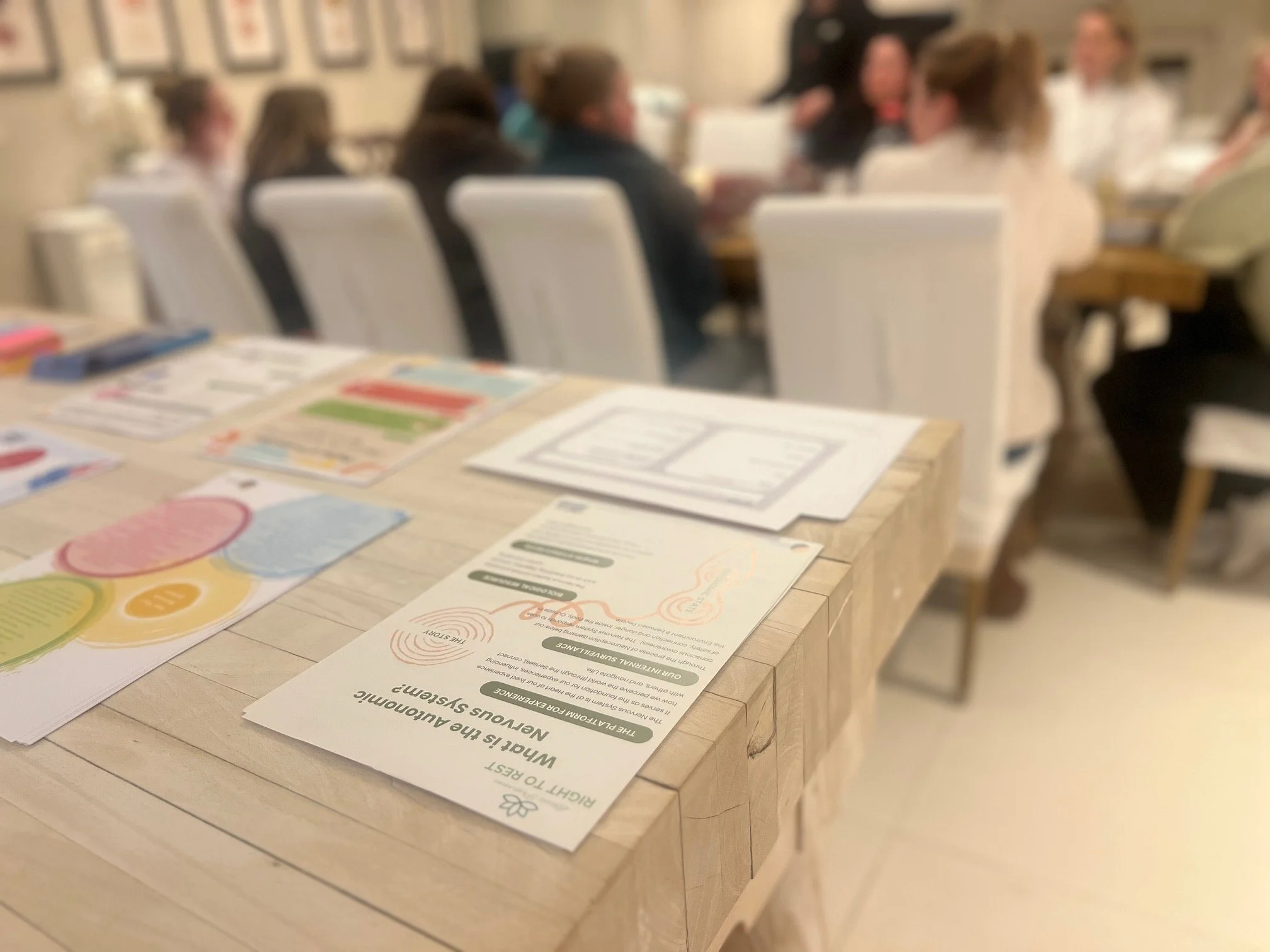
core Areas of Learning
Participants develop practical tools and understanding across key areas:
Understanding the nervous system and stress responses
Building awareness of personal stress patterns
Developing self-compassion and emotional resilience
Strengthening the mind–body connection
Learning trauma-informed breath and body-based practices
Creating sustainable strategies for wellbeing and performance
These skills support individuals in navigating pressure, improving focus, and maintaining long-term health and resilience.

Who This Programme Supports
Right to Rest programmes can be adapted for:
Organisations and corporate teams
Healthcare and wellbeing settings
Community groups
High-performance environments
Individuals navigating stress, change, or recovery
Leadership and professional development programmes
Each programme is tailored to suit the needs of the group, environment, and outcomes required.
Get in Touch
If you are interested in the Right to Rest programme or are part of the military community and would like to join an existing programme feel free to contact us and we would be happy to give you more information.