

Collaborations
Collaboration sits at the heart of Breathe and Recover. We work alongside various communities, organisations and services who are exploring nervous system, trauma informed and accessible learning and practice.
Our collaborations include work with the National Health Service (NHS), Ministry of Defence (MOD), Help for Heroes, and the Spinal Injuries Association, as well as clinicians, charities, and community organisations.
These relationships allow us to share new approaches, support communities, and create impactful, learning experiences together.
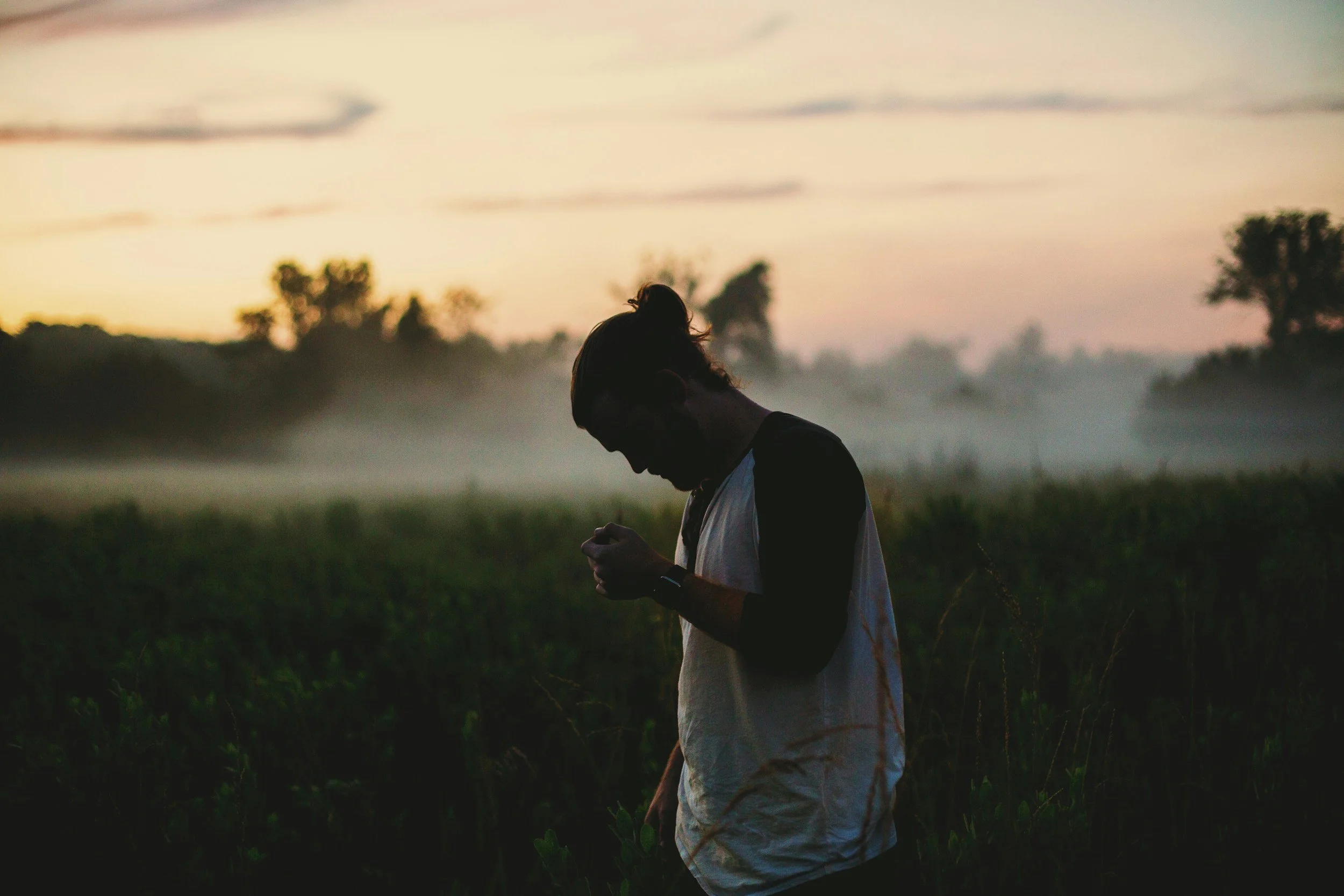
Military Communities
Recovery, Rehabilitation & Wellness Support
We offer support to the recovery, rehabilitation, and long-term wellbeing of Military personnel, Veterans, and their families/ Carers. Our work focuses on raising awareness of the lasting impact of trauma on the body, strengthening understanding of the body–mind connection, and introducing practical tools that support nervous system balance, rest, and recovery.
We have collaborated with Help for Heroes through a number of programmes over the years including the co-production and facilitation of the Recovery College course, Living with and Beyond Pain. This programme offers a holistic approach to pain combined with breath work, to support veterans understanding chronic pain, rest, and recovery, while building confidence in self-management and resilience.
Alongside this, we have supported the Very Seriously Injured (VSI) Veterans Programme, working with some of the UK’s most injured veterans and their families/ carers as well as providing residential support for veterans and families across Northern Ireland and Scotland. These sessions encourage a space for reflection, rest, connection, and the development of practical skills that can be used in everyday life.
Our work has also included supporting veterans preparing for the Invictus Games, offering a fully adaptive Yoga, Breathwork, and Meditation programme designed to enhance focus, support physical recovery, and promote overall wellbeing. These approaches recognise the importance of integration- both physically and emotionally pre and post Games.
In addition to programme facilitation, we have developed supportive learning resources and materials to extend learning beyond sessions, helping participants to continue their recovery journey independently and with confidence.
We have also provided training and facilitated delivery for organisations including the KCL/ Defence Academy of the United Kingdom, Service Prosecuting Authority (SPA), and the Armed Forces Para-Snowsports Team, as well as supporting family-focused psychological wellbeing programmes such as LifeTools and Right to Rest.
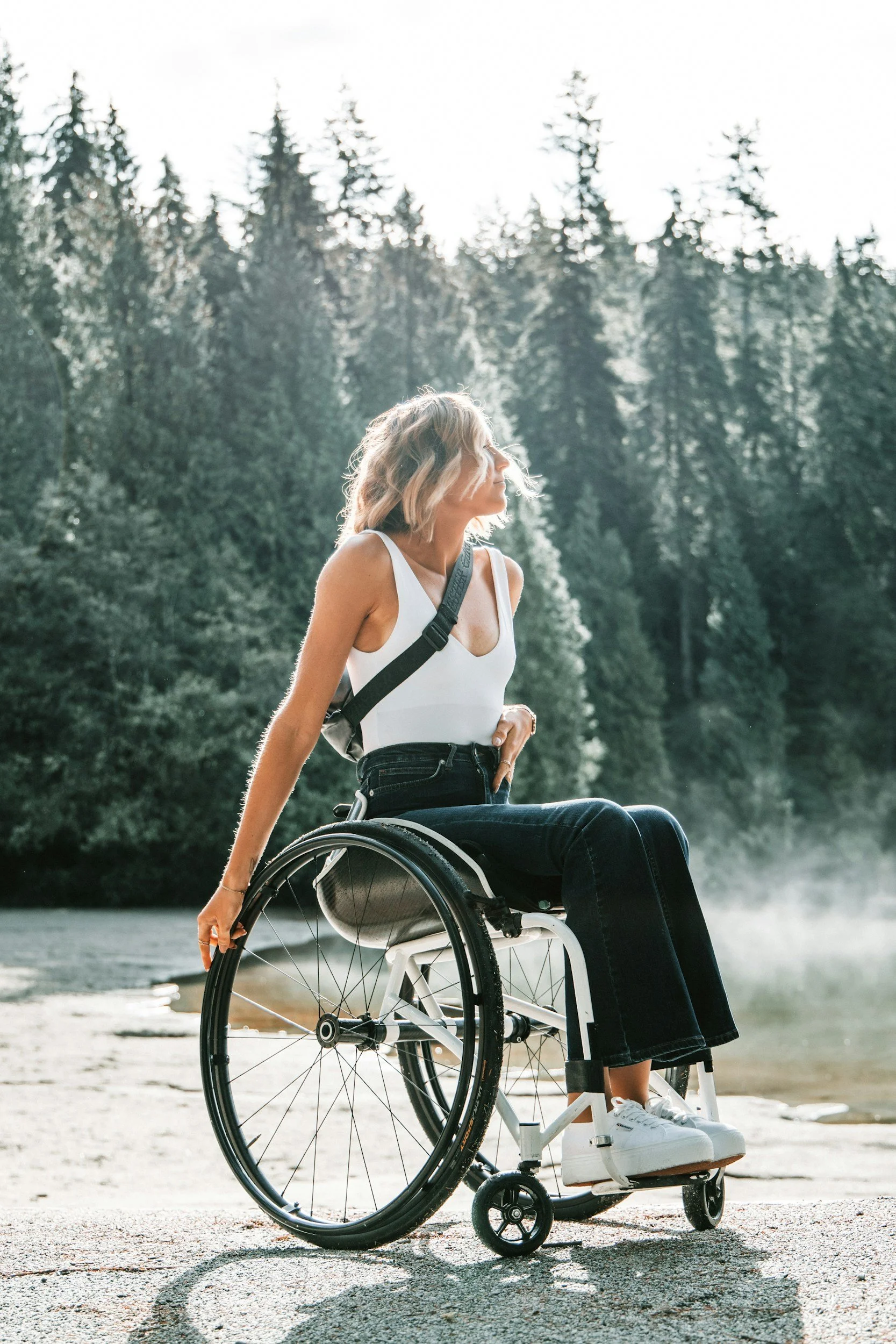
Spinal Injury, brain Injury and Complex Care Communities
We support individuals living with spinal cord injury, brain injury, and complex care needs through accessible practices that recognise the vital connection between body and mind.
We recognise that for some people living with spinal cord injury, brain injury, or complex care needs, physical sensation in the body may be altered or absent. Even so, Yoga, Meditation, and Breathwork can still offer valuable ways to build awareness and support relaxation. Through creative approaches that focus on breath, attention, and guided awareness, these practices can provide insight, promote calm, and offer a sense of steadiness, regardless of changes in physical sensation
We have collaborated with the Spinal Injuries Association (SIA) to support individuals adjusting to life after spinal cord injury. Through this work, we have delivered adaptive Yoga, Breathwork, and nervous system awareness practices that are designed to be inclusive, accessible, and responsive to the unique needs of those living with spinal injury.
Our experience also extends to supporting individuals living with brain injury and complex care needs, working alongside multidisciplinary teams, carers, and families. These sessions provide gentle, adaptable approaches that encourage rest, body awareness, and emotional regulation, helping individuals navigate recovery and build confidence in their own capacity for healing.
In addition to programme delivery, we have contributed to professional learning and sector-wide awareness by delivering presentations at leading conferences, including the Innovation After Injury Conference and the Hollister European Conference. These presentations have focused on the long-term impact of trauma, the importance of nervous system awareness, and the role of adaptive, embodied practices in supporting rehabilitation and recovery.
Through this work, we continue to advocate for more integrated, person-centred approaches within spinal injury, brain injury, and complex care rehabilitation—supporting not only physical recovery, but emotional wellbeing, resilience, and quality of life.
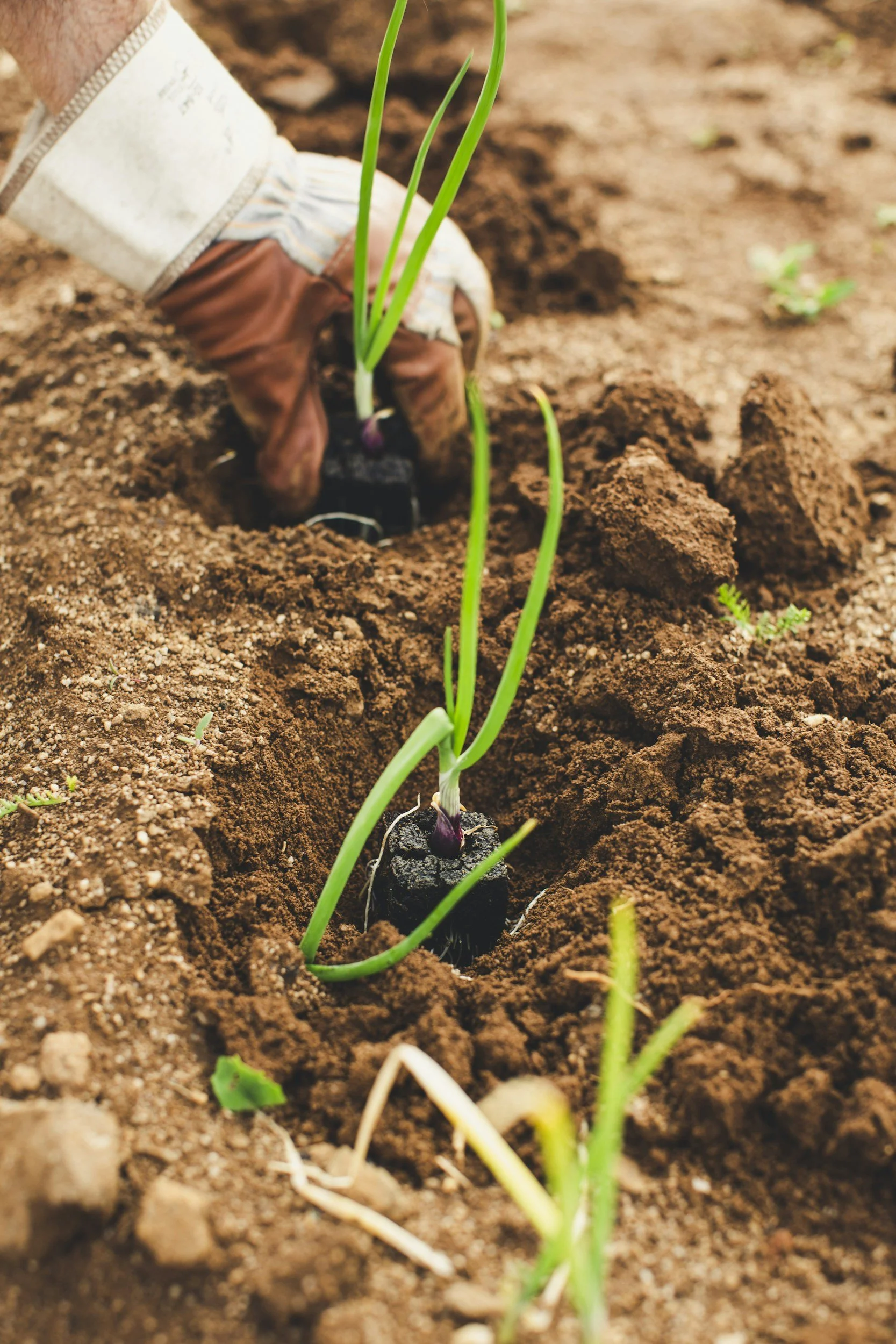
Wider Communities
Pop- Up Workshops and Spaces to Connect
At Breathe and Recover, we are committed to making our work accessible across wider communities, supporting individuals facing a range of life experiences including long term health conditions through practical approaches to deeper connection, growth and planting new seeds of understanding.
Our workshops and faciliation are rooted in creative, embodied learning, where body, breath, and awareness practices are supported by creative exploration. Through this approach, we create space for reflection, connection, and self-discovery, while building understanding of the nervous system and strengthening the body–mind connection.
We have delivered pop- up workshops for organisations including Refugee Action, MS Hampshire, and Menopause Support, offering inclusive learning environments where participants have the opportunity to practice and experience space and rest whilst navigating challenge and transition.
Our work has also supported the NHS No Wrong Door approach—an initiative designed to ensure that people can access the right support regardless of where they first seek help. By working alongside integrated community services, this model connects individuals to mental health support, housing, social care, and community resources, making it easier to find coordinated, consistent care.
Across these settings, We create safe spaces for experiential learning through breath, movement, reflection, and creativity to build awareness, growth, and wellness.